

Akrasia
On the gap between ethical belief and action
Many believe the pleasure gained from eating animal flesh does not justify the suffering the animal must inevitably endure, yet they eat meat nonetheless. This behaviour is true for me for dairy, for carbon emissions, for poverty; indeed, I seldom live in perfect accordance with my ethical beliefs. The Greeks named the gap between how we believe we ought to behave and how we in fact behave, akrasia—translatable as weakness of will.
As a moral realist, I believe there are facts about wrong and right. It is wrong to kick a sleeping cat in all possible worlds. I also believe we can come to know ethical facts. It is both wrong in all possible worlds to kick a sleeping cat and knowably so. You likely don’t kick sleeping cats, even if you are not an ethical realist. You likely don’t kick sleeping cats because of a belief preventing you from doing so. Either way, for moral realists and non-realists, we sometimes have moral beliefs we simply do not live by, and some we do.
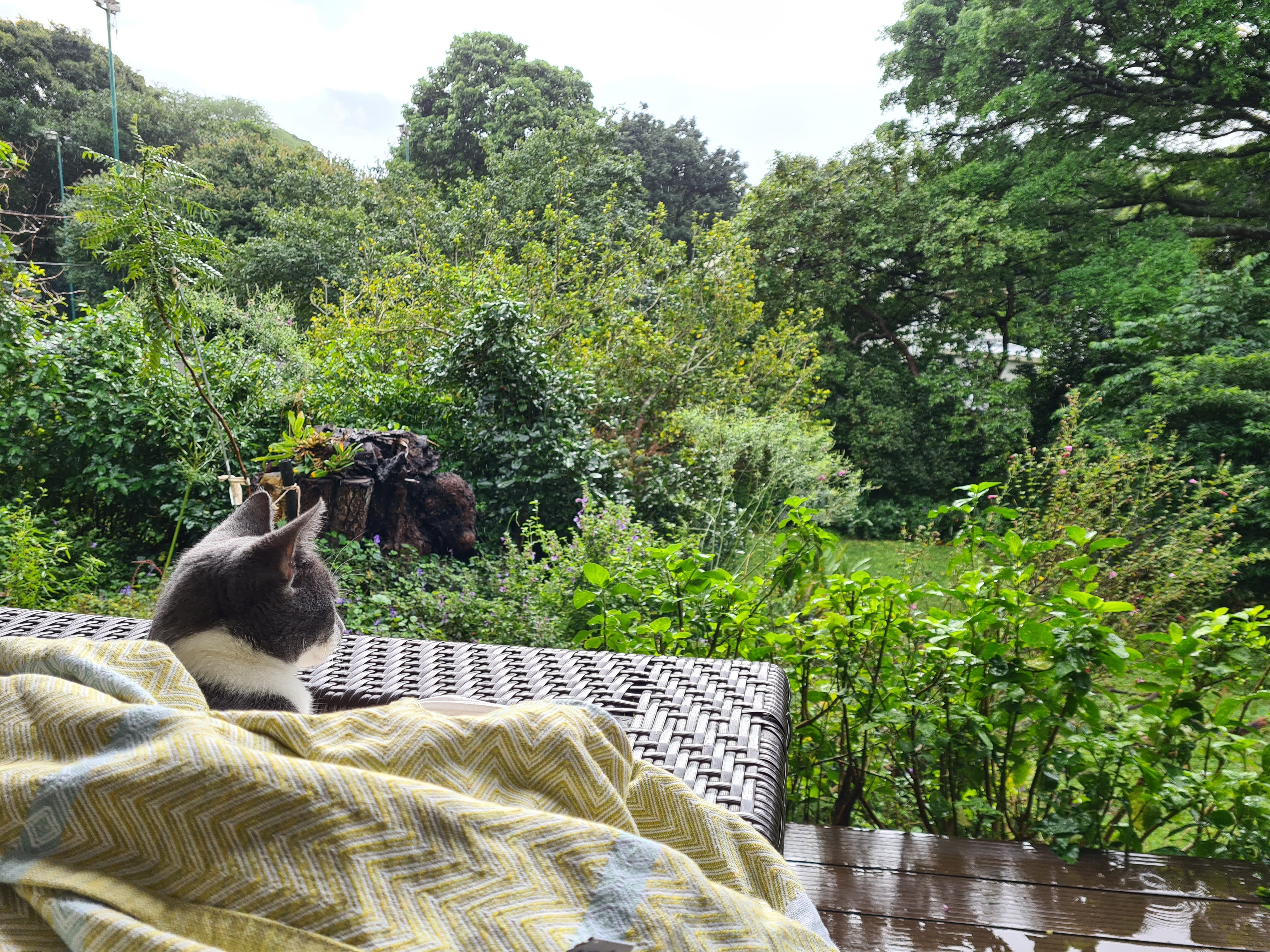
Of course, an ethical obligation to do something presumes one can in fact do that thing. It is well within my powers to abstain from kicking sleeping cats. The problem of akrasia thus applies only to the gap between our ethical beliefs and the actions we are able to take to abide by those beliefs. To not skip the literature on free will: something, something, we’re ultimately all compatibilists.
For me, the best of virtue ethics is an attempt to solve akrasia. We are not disembodied minds attempting to align with the platonic ideal of the Good. Rather, we are embodied, evolved animals. The goal of virtue ethics is not merely abidance to some ethical ideal. Rather, virtue ethics is about cultivating a virtuous self or character. A virtuous person is not akratic, for a virtuous person behaves virtuously, and akrasia is a vice. This is almost a neurobiological claim.
I am further sympathetic with virtue ethicists who define virtue in terms of the flourishing of our capabilities or functions. I favour an evolutionary account of functions (Homo sapiens evolved functions to attain water, food, companionship, love, etc.) rather than Aristotle’s ‘reason’ as the central function. (Aristotle argued a thing’s function can be determined by the property that thing shares with nothing else, reason in the case of people.) I agree with Sen and Nussbaum that our capabilities are an essential consideration of justice and political organisation.
Yet, virtue ethics leaves me uncomfortable for two reasons. First, it is circular. Why is it virtuous to fulfil a capability? The virtue ethicist can only respond that fulfilling a capability demonstrates virtue. Reference to anything but virtue would entail that thing is the foundation of ethics, not virtue. For example, for a virtue ethicist, generosity is not good because it alleviates suffering; it is good because it is a virtue.
Second, if an evolutionary account provides a non-circular foundation for capabilities, how can the virtue ethicist account for evolutionarily beneficial but pernicious ‘capabilities’? Not all characteristics which increase one’s chance of offspring (the evolutionary imperative) are virtuous. Homo sapiens have physically evolved to commit acts of violence; for example, the human fist serves no other function (or capability).
Yet, I think we are also inattentive to the evolutionary origins of our beings. In a non-trivial sense, our evolutionary history is what created us. There is a central place for the creator in most belief systems, for good reason. Our true creator just happens to be evolution. Understanding what defines the good life is, in part, an endeavour of biology. The gap between biology and justice may seem large, but in a country where 1 in 3 children are stunted, our obligations are biological in the most immediate sense.